







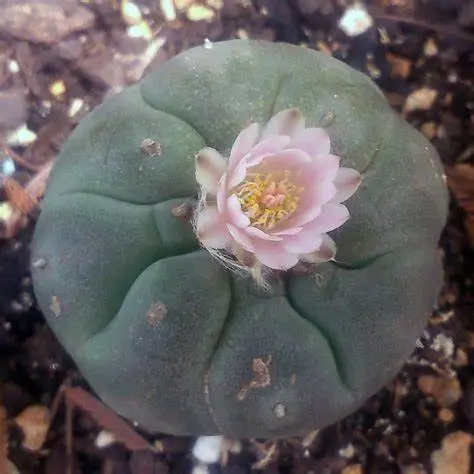
Peyote Seeds for Sale
25.00$ Original price was: 25.00$.20.00$Current price is: 20.00$.
-
United States dollar ($) - USD
-
Euro (€) - EUR
-
Pound sterling (£) - GBP
Buy Peyote Seeds for Sale | Buy Lophophora Williamsii Seeds
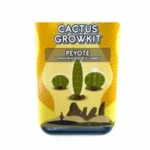
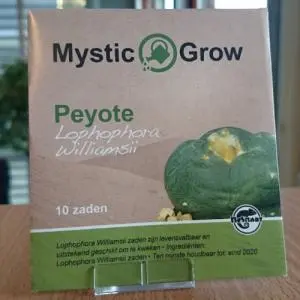
Our high-quality Lophophora williamsii (Peyote) seeds for sale online are always freshly harvested to ensure optimal germination rates and successful growth. When you place your order, you may also receive some extra seeds, allowing you to cultivate a healthy number of Lophophora williamsii seedlings.

Discover the Beauty of Cultivating Peyote for Sale
Unlock the timeless tradition of cultivating sacred Peyote with our premium seeds. Whether you’re an experienced grower or a devoted botanist, these seeds offer you the unique opportunity to nurture a plant revered for centuries. Sourced from trusted origins, our Peyote seeds ensure high germination rates, offering both authenticity and dependability.
Why Choose Our Peyote Seeds?
When it comes to Peyote seeds for sale, quality and trust matter; here’s why our seeds stand out:
1. Authenticity you can trust: Obtained from ethical and sustainable sources, our seeds are carefully selected to ensure genetic purity and optimal growth potential.
2. Ideal for collectors and enthusiasts: These seeds are prized for their cultural and historical significance, making them a must-have for passionate collectors.
3. Easy-to-grow for enthusiasts: With the right care and conditions, Peyote seeds can transform into resilient and thriving plants. Our seeds come equipped with tips to support your growing journey.
Embrace Tradition with Confidence
For centuries, Peyote has held historical and cultural significance, inspiring spiritual and healing practices. By choosing our seeds, you connect with this rich history while ensuring you’re purchasing from a reputable and trustworthy vendor, devoted to preserving its legacy responsibly.
Ready to begin? Your journey into cultivating Peyote starts here. Take the first step toward a rewarding experience by investing in these quality Peyote seeds today!