




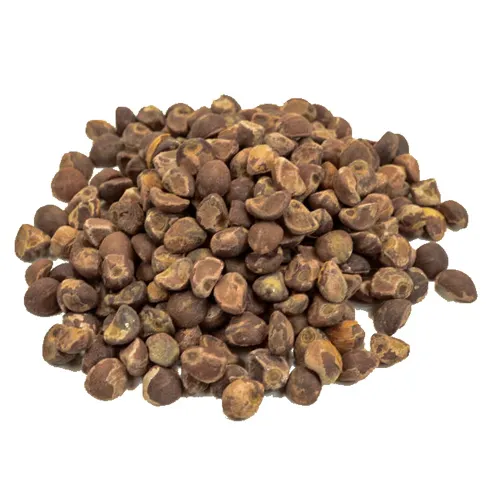
Hawaiian Baby Woodrose Seeds
18.00$ – 250.00$Price range: 18.00$ through 250.00$
-
United States dollar ($) - USD
-
Euro (€) - EUR
-
Pound sterling (£) - GBP
Hawaiian Baby Woodrose LSA Seeds
Argyreia nervosa | Hawaiian Baby Woodrose
Hawaiian Baby Woodrose seeds, scientifically known as Argyreia nervosa, have not been extensively studied as a traditional medicine. However, its related species, Rivea corymbosa (ololiuqui) and Ipomoea tricolor (tlitliltzin), are well-known for their medicinal uses. The chemical components of these three species are quite similar.
Habitat
Argyreia nervosa, commonly referred to as Elephant Creeper, is a perennial climbing vine. Though considered an invasive species, it is undeniably a beautiful plant. Originally believed to be native to India, it has now spread to other regions, including Hawaii, Africa, and the Caribbean.
In optimal conditions, this vine can grow up to 10 meters in height. The Hawaiian Baby Woodrose features large, trumpet-shaped leaves covered in velvety hairs. Its flowers are purple, fading to a lovely lavender as they open. The seeds are housed within furry seedpods, typically containing four to six seeds each.
Contents
– Seeds of Hawaiian Baby Woodrose (Argyreia nervosa)
Effects of Hawaiian Baby Woodrose Seeds
The effects of Hawaiian Baby Woodrose are primarily due to the ergoline alkaloid LSA, which is chemically similar to LSD. The main effects include:
– Hallucinations
– Relaxation
Use of Hawaiian Baby Woodrose Seeds
To achieve the best effects from Hawaiian Baby Woodrose, the seeds should be prepared in a specific manner. There are several methods for doing this; for an easy approach, you can refer to the Erowid website. Some people choose to eat the seeds directly and chew them; however, this may lead to unpleasant side effects, such as nausea, vomiting, or other adverse reactions during the experience.
To grow the plants, soak the seeds to encourage sprouting. Once the sprout reaches about 2 cm in height, transplant it into regular soil at a depth of 5 cm. Avoid placing the plants in direct sunlight, and the best time for planting is in April.
Warnings
– Do not use in combination with Syrian Rue (Peganum harmala) or other MAO inhibitors (MAOIs).
– Avoid use during pregnancy.
– Do not operate heavy machinery.
– Avoid participating in traffic.
– Do not use if you or your family have a history of mental illness.
The Dutch National Institute for Public Health and the Environment (RIVM) has issued a risk assessment warning against the consumption of these seeds.
According to the RIVM:
“The use of these seeds is unsafe. They can lead to hallucinogenic effects, nausea, vomiting, elevated heart rate, increased blood pressure, severe fatigue, and lethargy. These health effects can occur even when the seeds are consumed in recommended doses.”